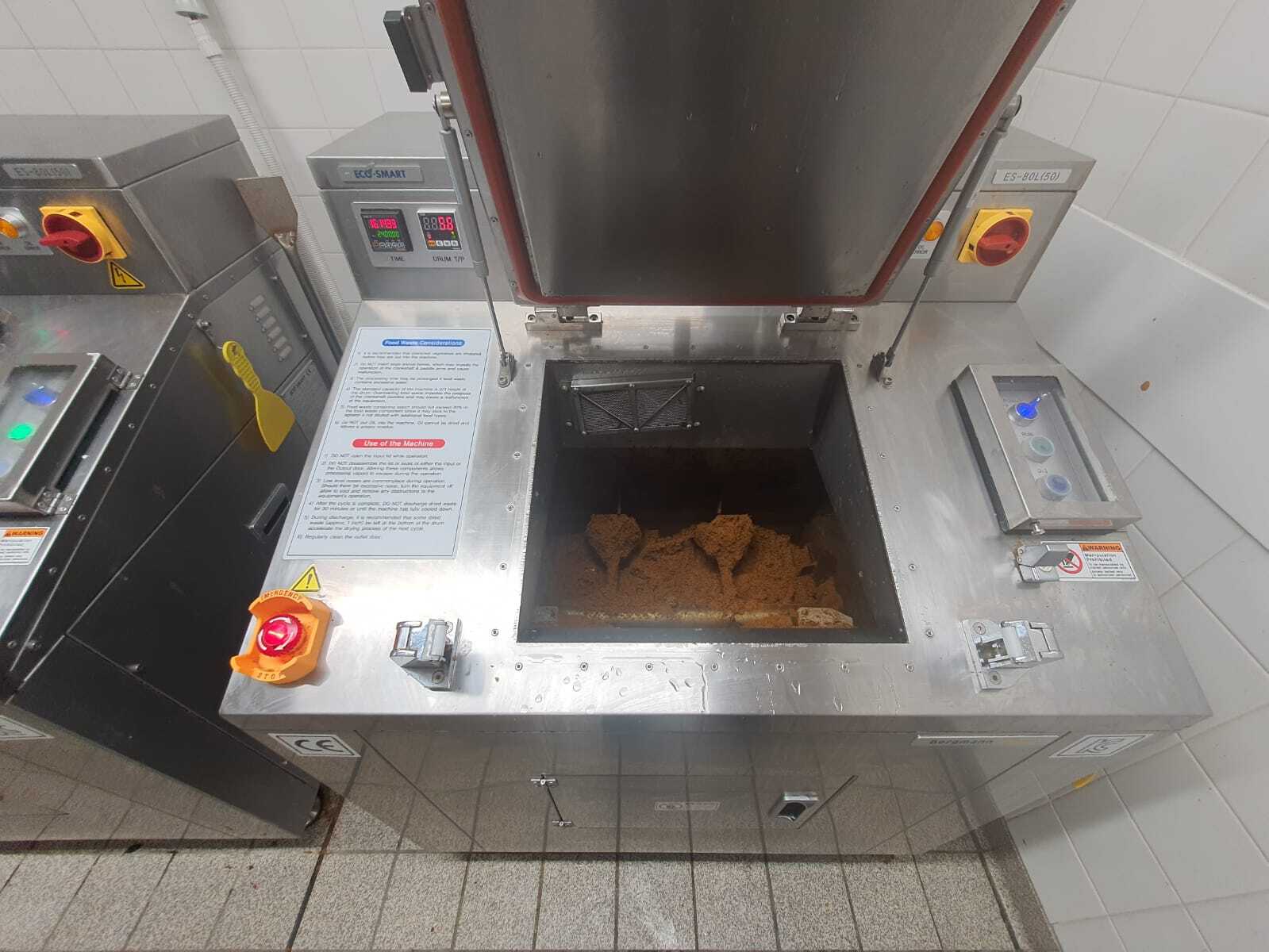
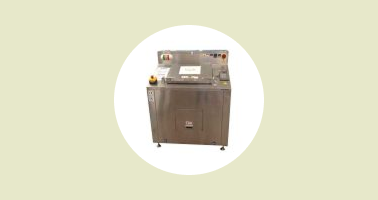
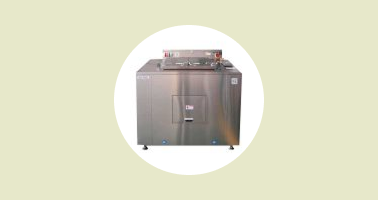
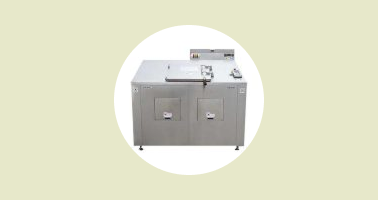
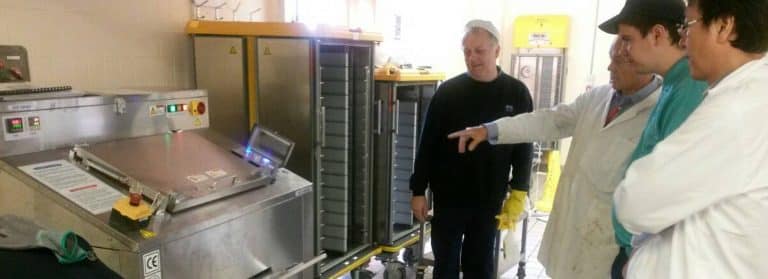
The ES30 is the most compact model in the Eco-Smart range, designed for sites producing smaller volumes of food waste, typically between 15–20kg per day. Its space saving footprint makes it ideal for operations where room is limited, while still providing a practical entry point into on site waste reduction.
It is particularly well suited to pubs, smaller restaurants, cafés, marine vessels and boutique hotels that need an efficient solution without committing to larger, higher capacity equipment.
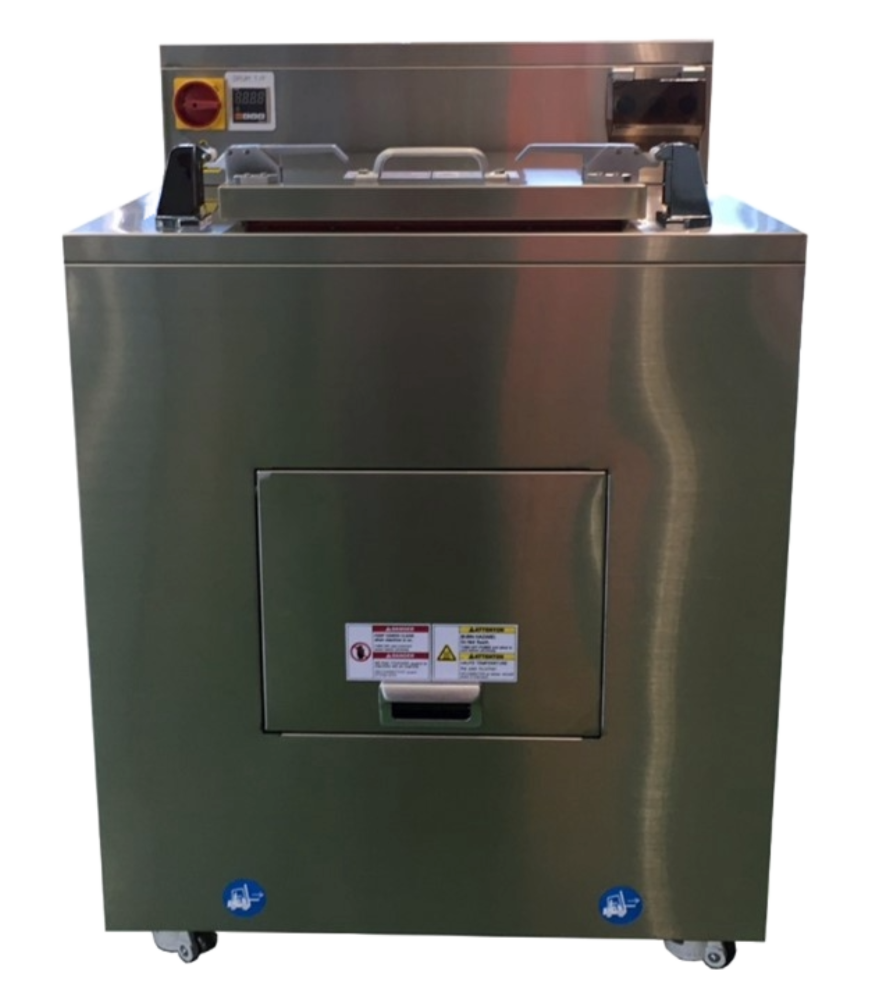
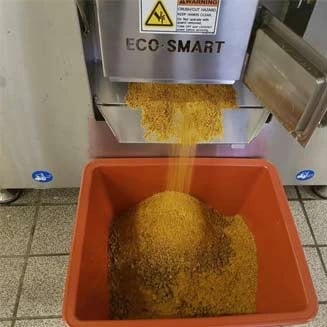
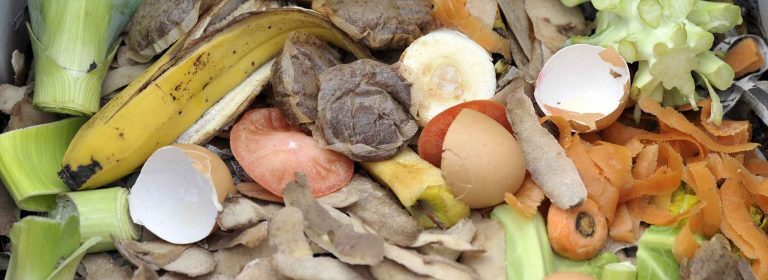
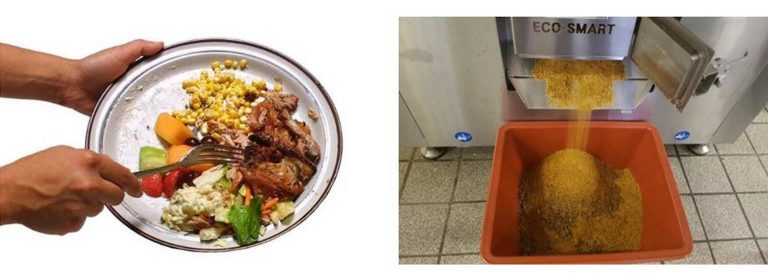
The Eco-Smart Food Waste Dryer dries all types of food waste, whether kitchen preparation waste, post-consumer waste or other types of mixed food production waste over-night, reducing its volume and weight by 80 - 95%, eliminating bacteria and smells.
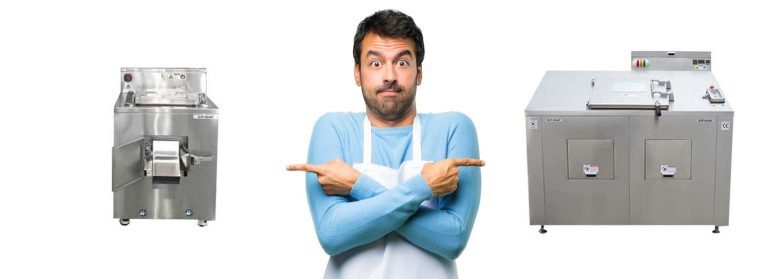
A nasty, smelly waste stream can be reduced substantially in volume and weight in a matter of a few hours and turned into a sterile, dry, clean, manageable granulated powder which can be composted, sent for anaerobic digestion or burned in waste-to-energy plants.
| Capacity | Up to 20kg per day |
| Typical cycle time | 15kg of food waste: 10-14 hours 20kg of food waste: 16-20 hours |
| Dimensions (D x W x H) mm | 812 x 681 x 955mm |
| Power Required | Single phase, 220V, 16A |
| Weight of machine | 175kg |
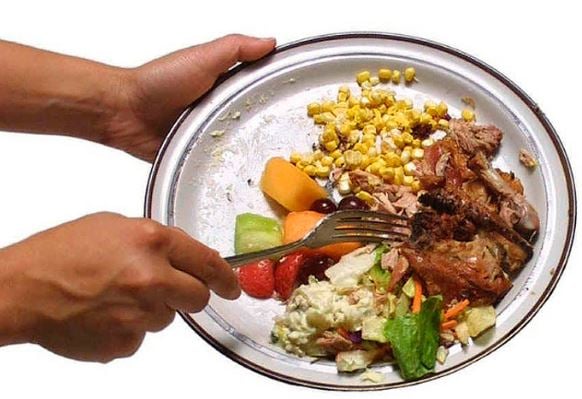
Fruit; vegetables, fruit and vegetable peels; eggs and eggshells; fish; fish heads and guts; meat; poultry; rice; pasta; bread; pastry; shellfish including mussels; tea bags and tea; coffee grounds and coffee; milk; fruit juice; gravies; wine; beer.
You will need a 1-phase power socket within 2m and a standard floor or PVC sink drain within 2m. The unit should be sited indoors or in a shelter to protect it from the elements. Speak to us if you think your food waste or your premises are unusual.
* except large knuckle bones