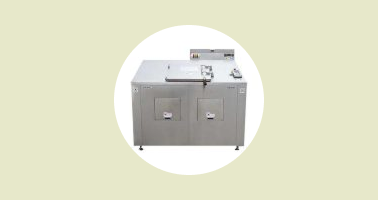
Sectors

Food Waste Disposal for Shopping Centres and Food Courts

Shopping centres and food courts generate high volumes of mixed food waste throughout the day, often stored in shared, space-constrained waste areas where smells and vermin quickly become a problem for landlords and tenants alike.

The Eco-Smart Food Waste Dryer solves this at the source: it sterilises food waste overnight, cutting its volume and weight by around 80% and substantially reducing the number of wheelie bins needed. Landlords and facilities managers use it to save on disposal costs, ease pressure on busy service corridors, and keep back-of-house areas cleaner across every food outlet on site.
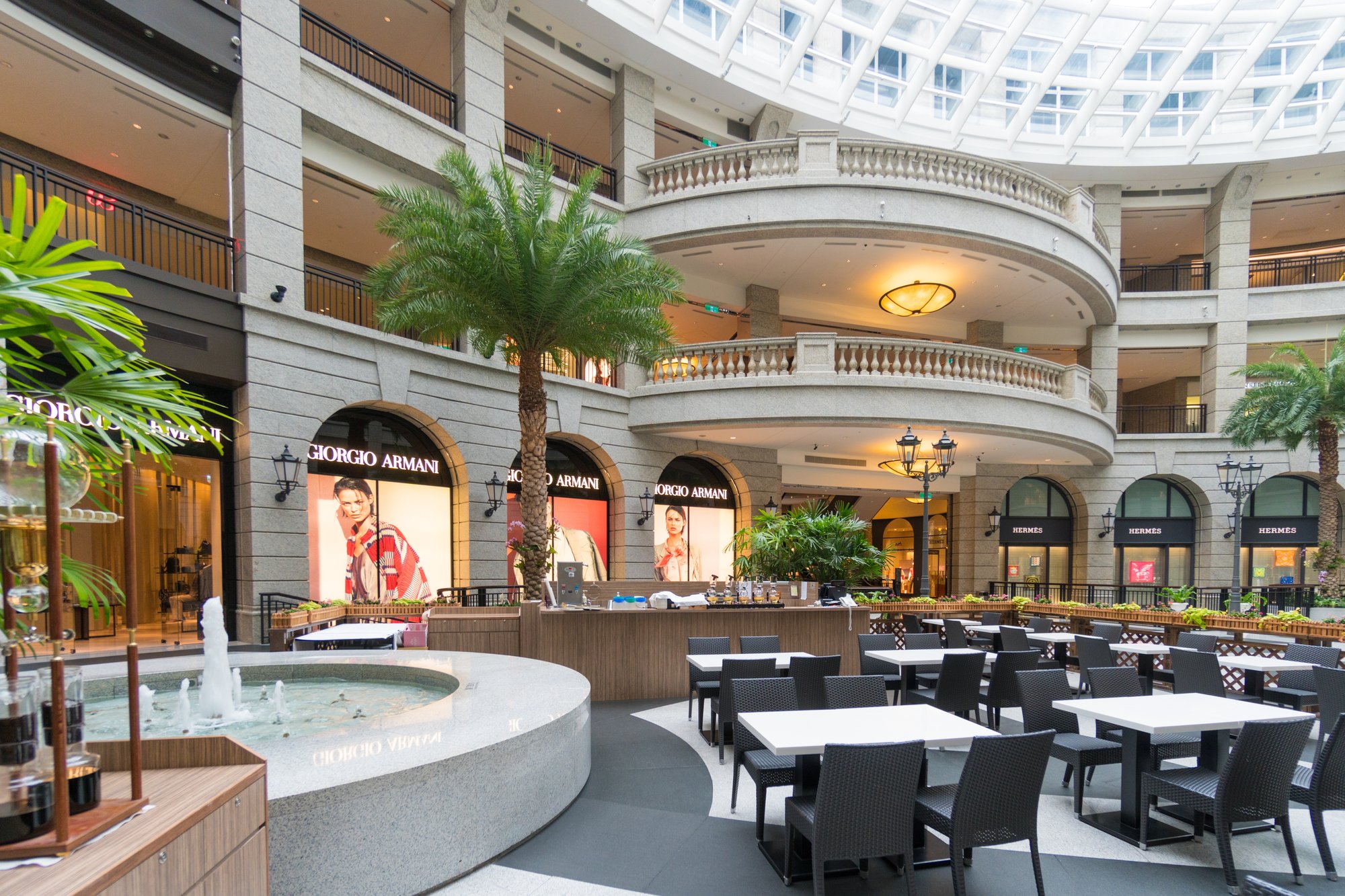
Shopping centre food area
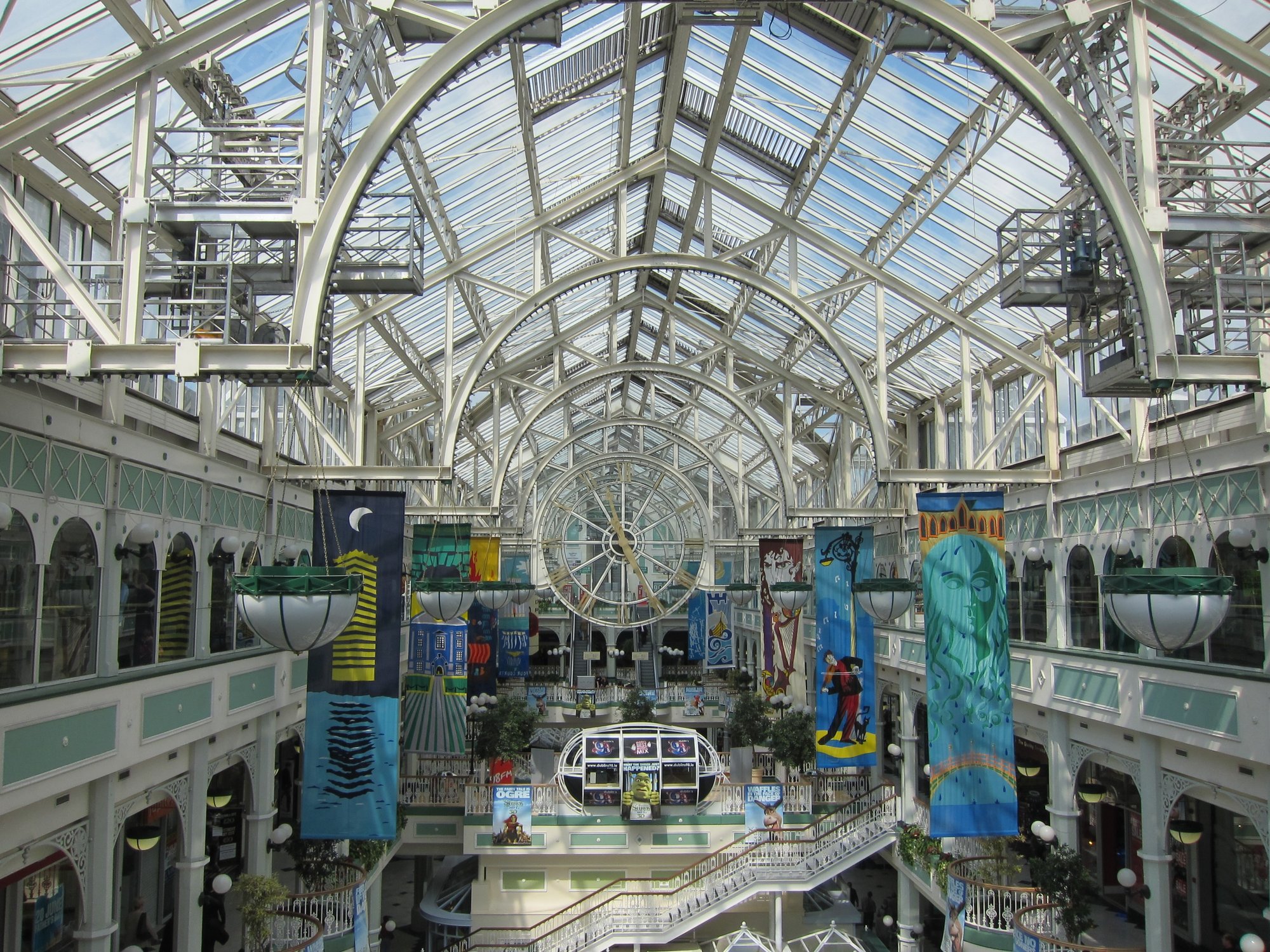
Shopping centre main

Save up to 80% on waste disposal costs

The Eco-Smart Food Waste Dryer is a perfect solution for food waste generated by restaurants, and other food outlets in shopping centres. Landlords and facilities managers can save up to 80% in food waste disposal costs and reduce the number of wheelie bins substantially.

Rat food

Reduce risk of vermin

Typically, the tenant will take their waste to an underground car park or waste area for the whole site.  There may be a compactor or wheelie bins for different waste streams. Often, the space is tight with too many wheelie bins to manage. Food waste sits around in wheelie bins creating a smell and attracting vermin. 
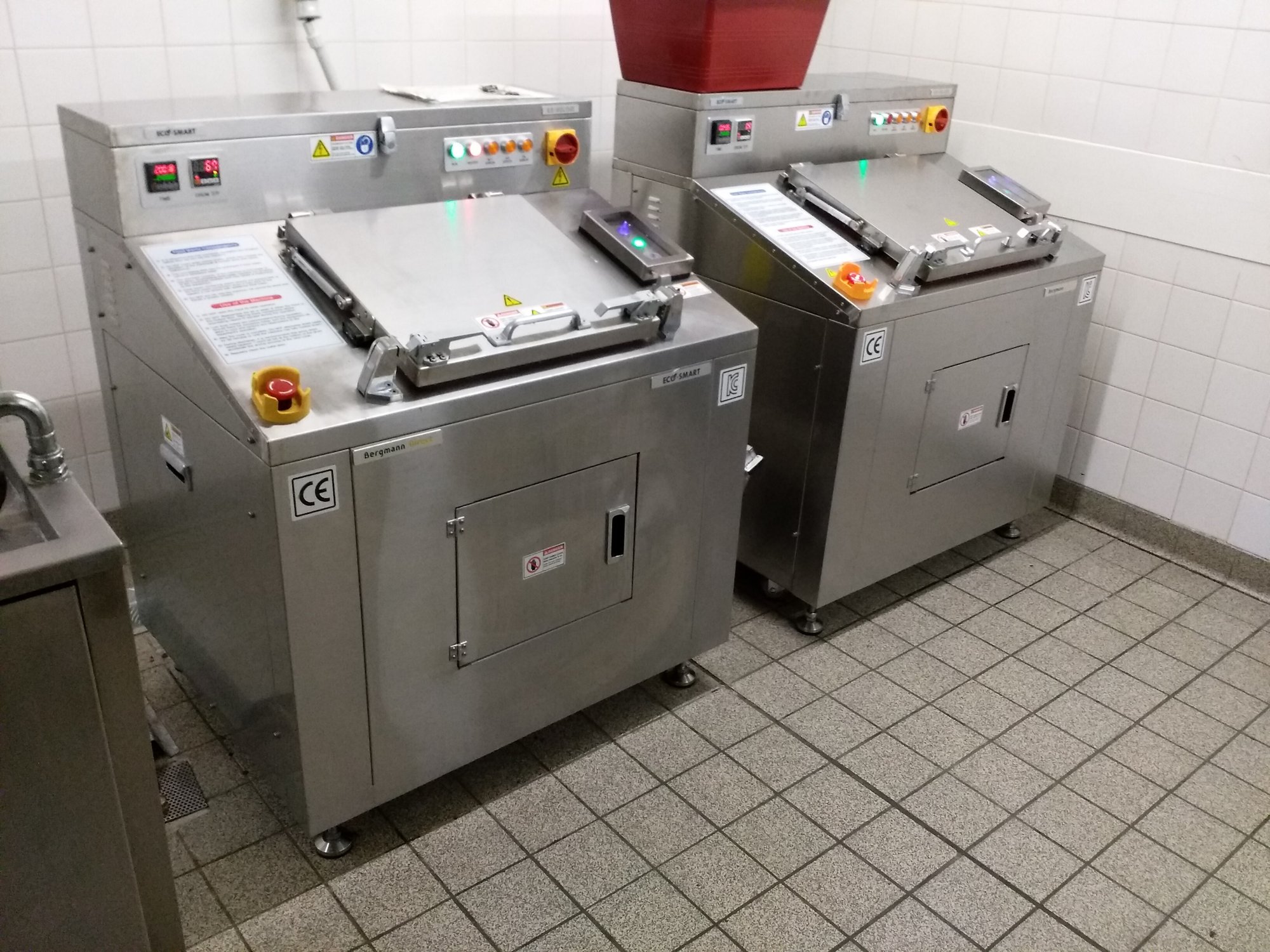
Both eco-smarts in place

Reduce waste volume

The Eco-Smart Food Waste Dryer sterilizes the waste overnight and reduces the volume and weight by around 80%. As a landlord you save on disposal costs and you reduce the number of wheelie bins substantially. It is a great solution.

Food Waste Regulations

Because shopping centres operate as multi-tenant sites, landlords and facilities managers are responsible for making sure every food outlet separates its waste correctly, whether it's collected communally or unit by unit.

Regulation Region Date What it means for shopping centres
Duty of Care (Environmental Protection Act 1990, s.34) UK-wide Ongoing All reasonable steps must be taken to store, transport and dispose of waste correctly
Environment Act 2021 – Simpler Recycling England In force since 31 March 2025 Every tenant business must separate food waste from dry recyclables and residual waste at source
Waste Separation Requirements (Wales) Regulations 2023 Wales In force for workplaces since 6 April 2024 Food waste must be collected separately alongside other recyclable streams
Digital Waste Tracking Regulations 2026 (Phase 1) England, Wales, Northern Ireland Mandatory from 1 October 2026 Waste movements and weights must be recorded digitally (Scotland from January 2027)


On-site drying makes this duty easy to meet across a whole site: tenants separate food waste into caddies, and the dryer produces a single weighed, loggable output for the whole centre.

How Much Food Waste Does a Shopping Centre Produce?

The answer depends on the type of hospital and whether food is prepared on site. Where preparation is done off-site via ‘cook-freeze’ or ‘regen’ processes, the weight of food waste can be 60% of this weight. This is because preparation waste is located elsewhere in the supply chain. 

Our advice to all operation managers and estates departments that currently use wheelie bins, macerators or waste-to-water systems, is to weigh food waste each day for one week before it is disposed. Our experience is that guessing the overall weight based on the number of bins will not be accurate enough. You will need to know the peak days in the week to choose the right model. Typically, this produces much higher weights than expected.

Which Food Waste Dryer Is Right For My Shopping Centre?

The Eco-Smart Food Waste Dryer can cope with bio-degradable plastic (made from PLA), cutlery, coffee cups and compostable food waste bags. Tenants need to separate food waste from the general waste. The best way to do this is to provide food waste caddies with handles which can be brought to the dryer. The separation of cardboard and other recyclables from the general waste is standard practice these days. However, they may not be used to separating their food waste from the general waste. It doesn’t take long for this habit to be formed, particularly if you are providing caddies.
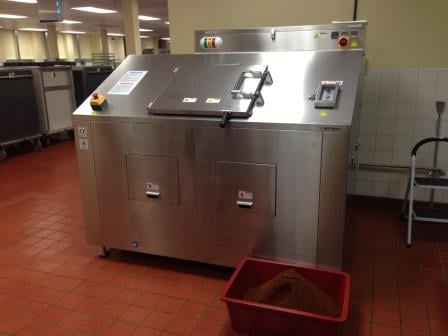
ES500 FW Dryer - Gartnavel Hosp, Glasgow with dried waste + tub

Food Waste Dryer Models

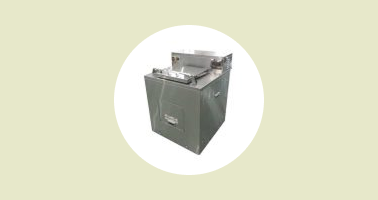
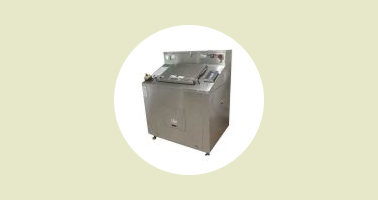
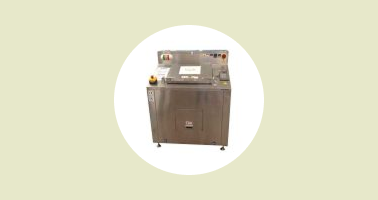
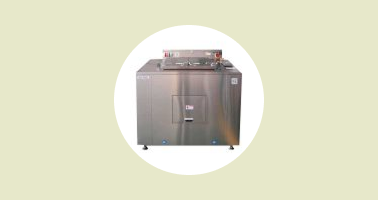
The Eco-Smart Food Waste Dryer is made from high specification stainless steel. All units are have locking castors so can be pushed into position. All you need is a power supply nearby and a standard sink drain (see Installation and Commissioning). It is easy to use, with simple on/off and discharge buttons and high specification RFID interlock sensors. Just load the food waste, close the lid and press the start button - the process is automatic.

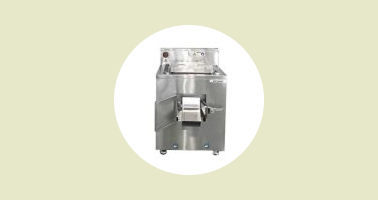
ES30

Up to 20kg per day

ES60

Up to 40kg per day

ES80

Up to 50kg per day

ES150

Up to 100kg per day

ES300

Up to 200kg per day

ES500

Up to 350kg per day

Frequently Asked Questions

Do individual retailers or food court tenants need to separate their own food waste?

Yes. Under the Environment Act 2021 separation duty, every business, including each unit in a shopping centre, must separate food waste at source. Providing tenants with handled food waste caddies is the easiest way to build this habit.

Is a food waste dryer compliant with UK regulations for retail and commercial premises?

Yes. The Eco-Smart Food Waste Dryer supports the separation duties in force in England since 31 March 2025 and in Wales since 6 April 2024, as well as the incoming digital waste tracking requirement from 1 October 2026.

Can the dryer handle compostable packaging used in food courts?

Yes. It can process bio-degradable plastic (made from PLA), cutlery, coffee cups and compostable food waste bags alongside food waste itself.

How much space does it need in a shared waste area?

Just a nearby power supply and a standard sink drain within 2 metres. Units are mounted on locking castors, so they fit into the same space currently used for wheelie bins or a compactor.

How much can a shopping centre save on disposal costs?

Landlords and facilities managers typically save up to 80% on food waste disposal costs and cut the number of wheelie bins substantially.

For More Information

We have extensive experience dealing with food waste in shopping centres and can come to your premises to discuss your problems and objectives, and how our Eco-Smart Food Waste Dryer can meet and solve them.

Drying food waste is the future of food waste disposal and it’s here now.