Sectors

Food Waste Disposal for Hotels and Restaurants

Back-of-house food waste has always been an unglamorous part of running a hotel or restaurant, but it's now also a compliance issue: food waste disposal units (macerators) that drain waste into the sewer system are banned across the UK, and hygiene expectations keep rising.

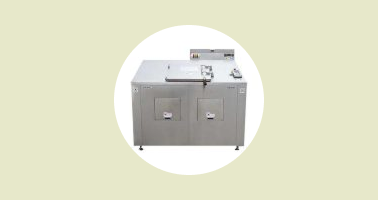
The Eco-Smart Food Waste Dryer turns wet food waste into a dry, sterile powder at 20% or less of its original weight and volume, cutting the number of food waste bins by the same proportion. With space often tight in hotel and restaurant back-of-house areas, the range comes in six sizes and can be sited flexibly, wherever there's power and a drain connection, to eliminate the vermin, pest and odour risks that come with storing wet waste.


UK Restaurant Interior with Vintage Decor and Dim Lighting
Hospitality

Great when space is limited

In large cities, there is a premium on space, both in the kitchen and at the back of the premises. Limited space for wheelie bins means that compaction technology (balers, compactors and bottle crushers) must be used. But when it comes to food waste it tends to either go into a wheelie bin or down a food disposal unit into the drains.
Rat food

Reduce vermin risks

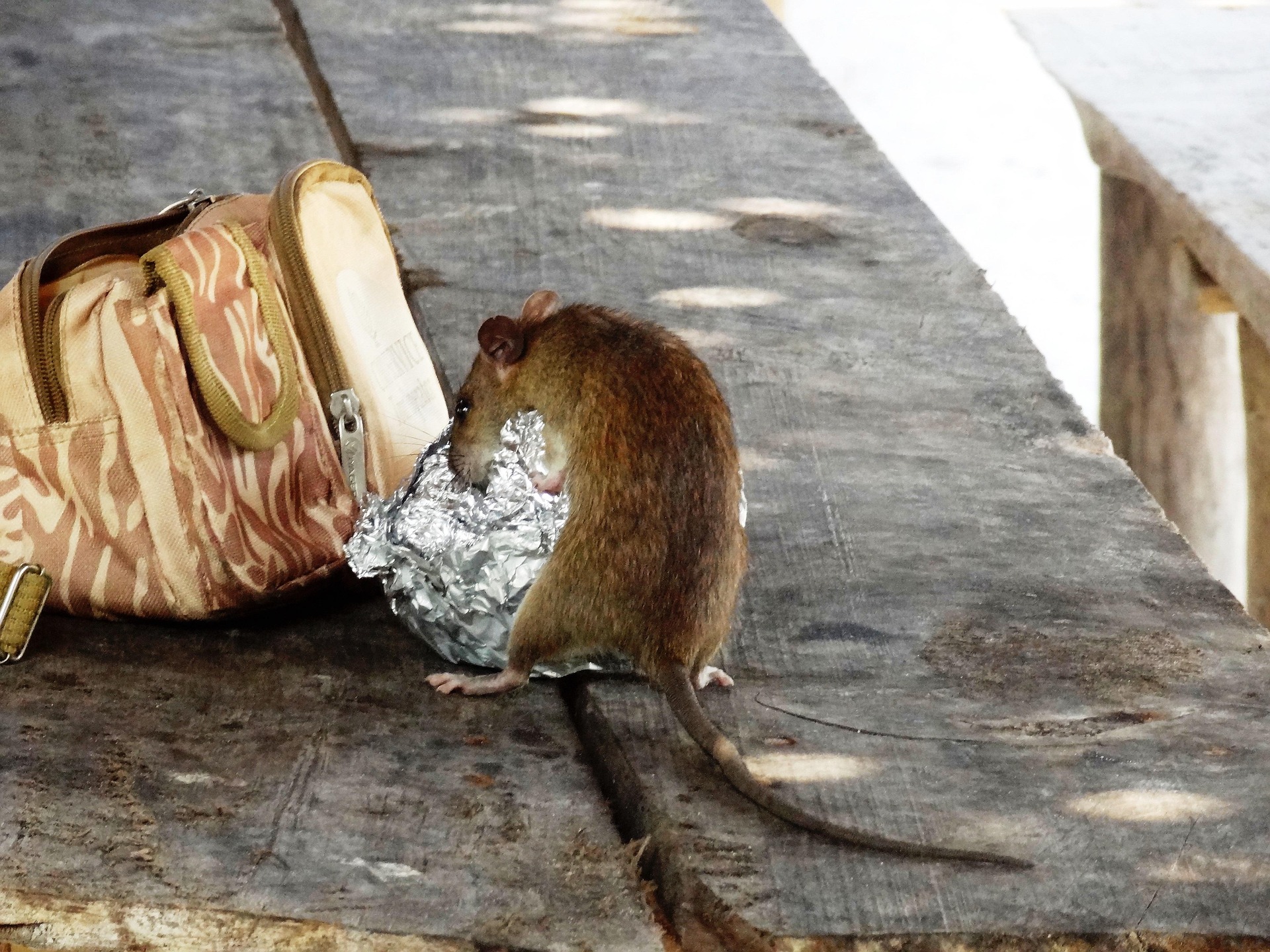
Food disposal units (macerators) are now banned in the UK. Putting food waste into drains is now deemed as completely unacceptable. The alternative of putting food waste into black bags, in a wheelie bin or a compactor poses significant hygiene and vermin risks.
Eco-Smart Discharge

Improve site hygiene

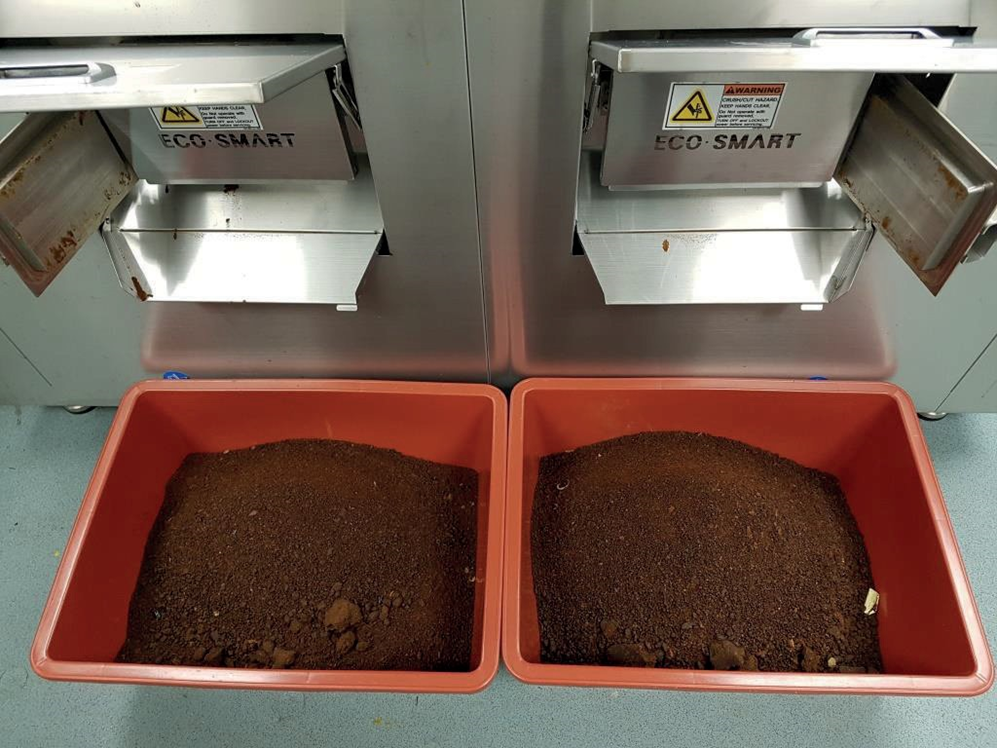
The Eco-Smart Food Waste Dryer turns wet food waste into a dry sterile powder, 20% or less of its original weight and volume, reducing food waste wheelie bins by the same proportion. The elimination of risks from vermin, pests and smells means that the dryer is ideal for hotels and restaurants where hygiene is a top priority.

Food Waste Regulations

Hospitality is explicitly in scope of the UK's separation duties, and the ban on draining food waste through disposal units removes one of the alternatives many kitchens used to rely on.

Regulation Region Date What it means for hotels and restaurants
Duty of Care (Environmental Protection Act 1990, s.34) UK-wide Ongoing All reasonable steps must be taken to store, transport and dispose of waste correctly
Environment Act 2021 – Simpler Recycling England In force since 31 March 2025 Food waste must be separated from dry recyclables and residual waste at source, which rules out draining it away
Waste Separation Requirements (Wales) Regulations 2023 Wales In force for workplaces since 6 April 2024 Food waste must be collected separately alongside other recyclable streams
Digital Waste Tracking Regulations 2026 (Phase 1) England, Wales, Northern Ireland Mandatory from 1 October 2026 Waste movements and weights must be recorded digitally (Scotland from January 2027)


On-site drying meets all of this directly: food waste is separated and dried where it's produced, never drained, and every cycle produces a weighed, loggable output.

How Much Food Waste Does the Hotel or Restaurant Produce?

Our advice to all that currently use wheelie bins, food waste disposal systems, macerators or waste-to-water systems, who are unlikely to know their daily food waste weights is to carry out a simple, week-long evaluation of food waste weights before it is disposed, noting the daily weights to understand the peak days. Typically, this produces much higher weights than expected.

Which Food Waste Dryer Is Right For My Hotel or Restaurant?

Knowing the weight of food waste produced daily is key to deciding which model of food waste dryer is right for your operation. For example, the ES150 has a maximum capacity of 100kg per day. If your weight is close to this or peaks above this the you should consider a larger unit or splitting the volume across two smaller units.

Space is often at a premium in hotels, restaurants, and commercial kitchens, making it challenging to accommodate waste management equipment without disrupting day-to-day operations. The Eco-Smart range has been developed with this in mind and is available in a variety of sizes and configurations to suit different site requirements, ensuring there is a solution for both compact and larger facilities. Where internal space is particularly limited, Eco-Smart machines can also be installed elsewhere on site. Provided the machine is housed within a suitable shelter to protect it from the elements, installation can be highly flexible. The key requirements are access to a power supply and a drainage connection, allowing businesses to position the equipment in the most practical location while still benefiting from efficient food waste processing and improved waste management practices.
Hotel lobby

Food Waste Dryer Models

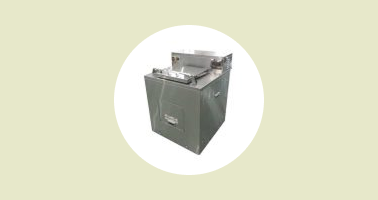
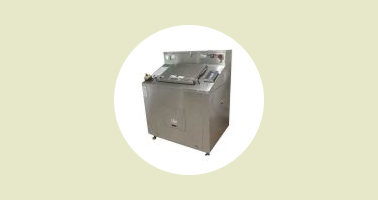
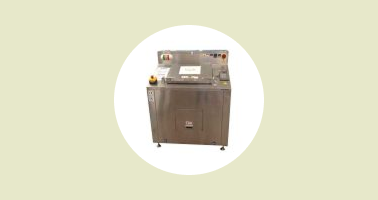
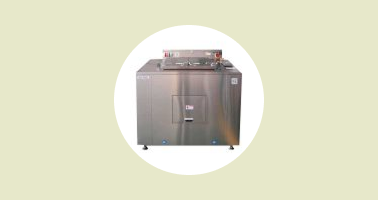
The Eco-Smart Food Waste Dryer is made from high specification stainless steel. All units are have locking castors so can be pushed into position. All you need is a power supply nearby and a standard sink drain (see Installation and Commissioning). It is easy to use, with simple on/off and discharge buttons and high specification RFID interlock sensors. Just load the food waste, close the lid and press the start button - the process is automatic.

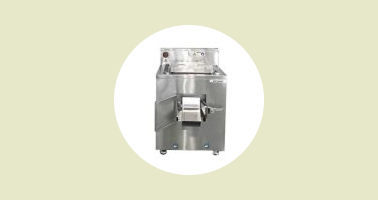
ES30

Up to 20kg per day

ES60

Up to 40kg per day

ES80

Up to 50kg per day

ES150

Up to 100kg per day

ES300

Up to 200kg per day

ES500

Up to 350kg per day

Frequently Asked Questions

Are food waste macerators or disposal units still legal in hotels and restaurants?

No. Food waste disposal units that drain waste into the sewer system are now banned in the UK. Waste must instead be separated and collected, which the Eco-Smart Food Waste Dryer supports directly.

Is a food waste dryer compliant with current hospitality waste rules?

Yes. It supports the Environment Act 2021 separation duty (England, since 31 March 2025), the Waste Separation Requirements (Wales) Regulations 2023 (workplaces, since 6 April 2024), and the incoming digital waste tracking requirement from 1 October 2026.

How much space do I need in a hotel or restaurant back-of-house?

Very little. The range comes in six sizes and can be sited flexibly wherever there's a power supply and drain connection within 2 metres, including outside the main kitchen in a suitable shelter if internal space is tight.

How much does it reduce hygiene and vermin risk?

Drying turns wet food waste into a dry, sterile powder at 20% or less of its original weight and volume, cutting the number of bins by the same proportion and removing the odour and vermin risks of storing wet waste.

What size unit is right for my hotel or restaurant?

It depends on daily food waste weight, which we recommend measuring for a week before choosing a model. The range covers 20kg per day (ES30) up to 350kg per day (ES500).

For More Information

We have extensive experience dealing with food and other waste in hotels and restaurants and can come to your premises to discuss your problems and objectives, and how our Eco-Smart Food Waste Dryer can meet and solve them.

Drying food waste is the future of food waste disposal and it’s here now.