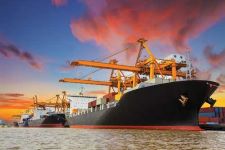
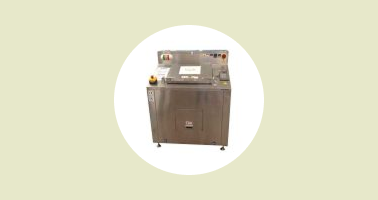
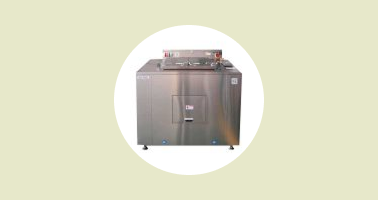
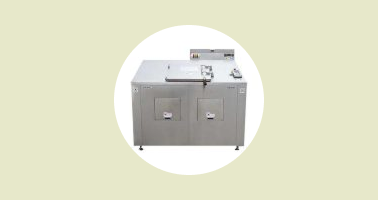
Ships face strict international rules on disposing of food waste at sea under MARPOL Annex V: untreated food waste can't be discharged in special areas, Arctic waters, or within 12 nautical miles of an offshore platform.
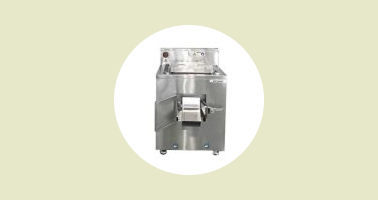
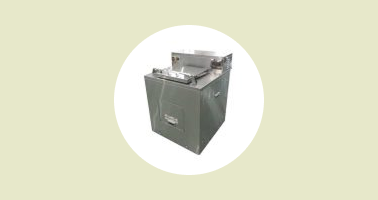
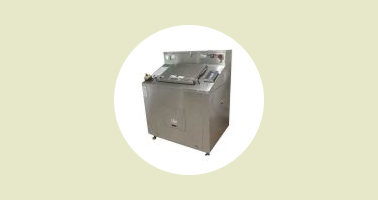
The Eco-Smart Food Waste Dryer keeps vessels compliant by processing food waste on board. It dries waste overnight into a granulated powder, reducing its volume by 80% or more so it can be safely stored, disposed of in port, or burnt in the ship's incinerator thanks to its high calorific value. It's already supplied to super yachts, cruise liners, oil rigs and working ships across six capacities from 20kg to 350kg per day.
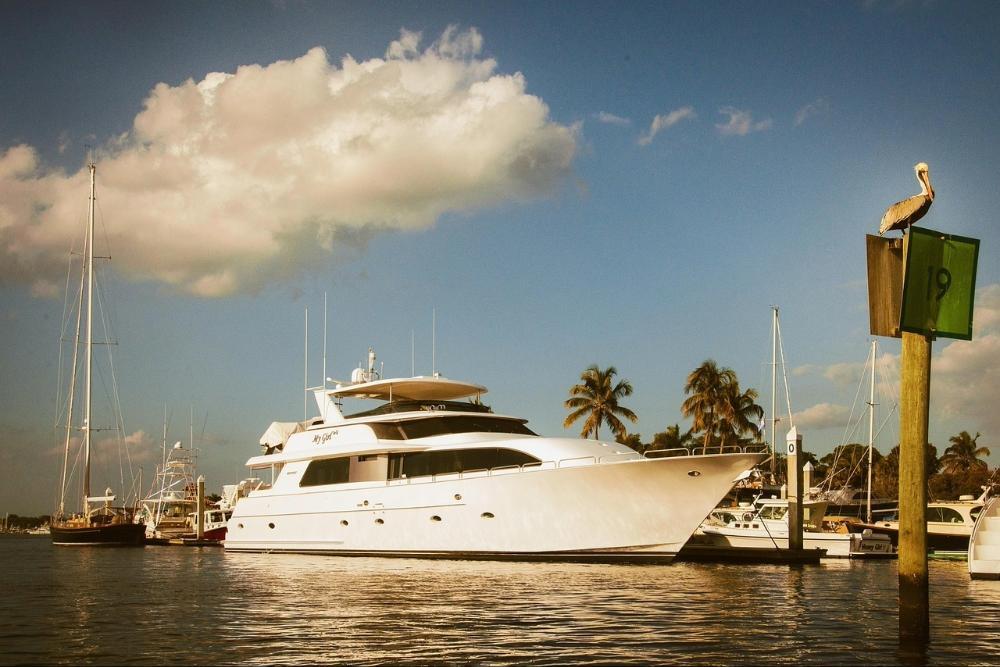
Specifically, disposal of food waste at sea which is not comminuted (processed into tiny particles) or ground is prohibited in special areas or Arctic waters or from offshore platforms more than 12nm from land.

Special areas include the North Sea, the Mediterranean, the Baltic, Red Sea, Black Sea, Antarctic, the wider Caribbean including the Gulf of Mexico and the Gulfs.
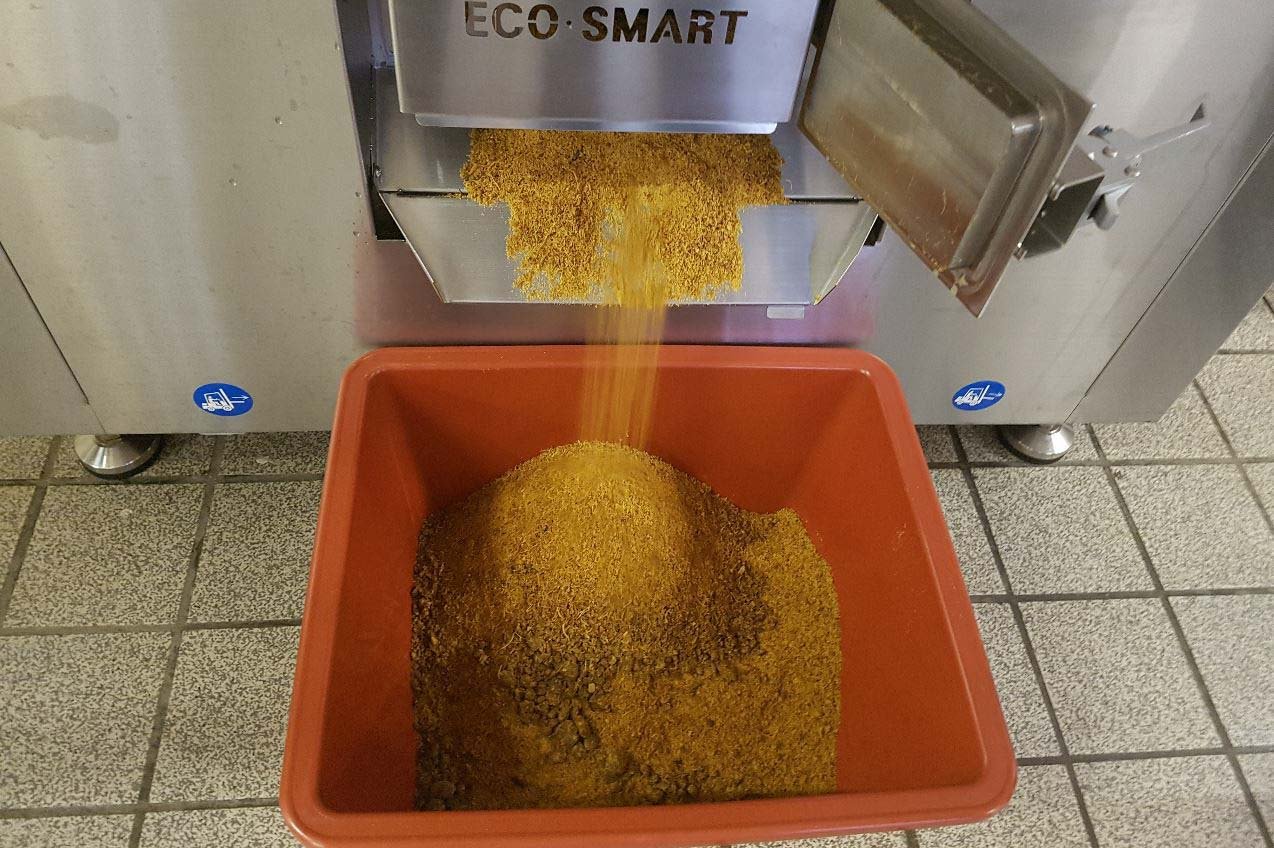
The Eco-Smart Food Waste Dryer dries food waste in around 12 to 16 hours (overnight typically) reducing food waste to a granulated powder which can be disposed of or burnt in the ship’s incinerator. As the dryer removes the water content of the food waste, it has a high calorific value and burns very easily.
Unlike the four land-based sectors, food waste on board vessels is governed by international maritime law, not UK domestic waste regulations. The current page copy simplifies this into a single line ("prohibited... from offshore platforms more than 12nm from land"), which understates the real rule and conflates two separate provisions — the table below is closer to the actual MARPOL Annex V text.
| Rule | Where it applies | Distance from land | Requirement |
|---|---|---|---|
| Comminuted or ground food waste | Outside MARPOL special areas | 3 nautical miles or more | Must pass through a screen with openings no greater than 25mm |
| Non-comminuted food waste | Outside MARPOL special areas | 12 nautical miles or more | No treatment required, but the distance requirement is stricter |
| Any food waste, treated or not | Inside MARPOL special areas (Baltic, North Sea, Mediterranean, Black Sea, Red Sea, the Gulfs, Wider Caribbean, Antarctic) | 12 nautical miles or more (from land or the nearest ice shelf) | Must still be comminuted or ground to pass a 25mm screen |
| Garbage Record Book | Vessels ≥400GT or certified to carry ≥15 persons | N/A | Every food waste discharge or disposal must be logged |
On-site drying removes food waste from this framework entirely during the voyage: dried waste doesn't need to be discharged at sea at all, so it can be safely stored, disposed of in port, or burnt in the ship's incinerator, and every load is weighed for the Garbage Record Book.
We have supplied the Eco-Smart Food Waste Dryer to many different vessels, from Super Yachts, Cruise Liners, Oil Rigs and Working Ships. The dryer sterilizes food waste and reduces the volume by 80% or more, significantly reducing the amount of space required to store it on board if it is to be disposed of after docking. It is a perfect solution to food waste onboard ships.
We work on the basis of 2.5kg - 3.5kg of food waste produced by one person per week. Each vessel is slightly different depending on its purpose but you can use this guide to help narrow down the right machine for you.
There are six models with capacities from 20kg up to 350kg per day.
The Eco-Smart Food Waste Dryer is made from high specification stainless steel. All units are have locking castors so can be pushed into position. All you need is a power supply nearby and a standard sink drain (see Installation and Commissioning). It is easy to use, with simple on/off and discharge buttons and high specification RFID interlock sensors. Just load the food waste, close the lid and press the start button - the process is automatic.

What are the MARPOL Annex V rules on food waste discharge?
Comminuted food waste can be discharged 3 nautical miles or more from land outside special areas; non-comminuted food waste needs 12 nautical miles or more. Inside MARPOL special areas (including the Mediterranean, Baltic and Caribbean), the minimum is 12 nautical miles regardless, and the waste must still be comminuted.
Does drying food waste avoid MARPOL discharge distance rules?
Yes. Dried waste can be stored on board and disposed of in port or burnt in the incinerator rather than discharged at sea, removing the distance and location restrictions entirely during the voyage.
Does the dryer help with Garbage Record Book compliance?
Yes. Vessels required to keep a Garbage Record Book need to log food waste disposals, and each drying cycle produces a weighed output that's straightforward to record.
What vessel types is the Eco-Smart dryer suited to?
It's already supplied to super yachts, cruise liners, oil rigs and working ships.
How is the right capacity calculated for a vessel?
As a guide, expect 2.5kg to 3.5kg of food waste per person per week, though this varies by vessel type and purpose. There are six models with capacities from 20kg to 350kg per day.