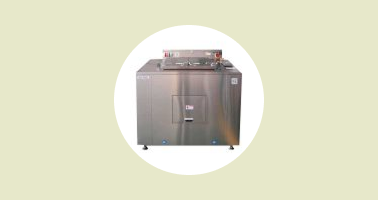
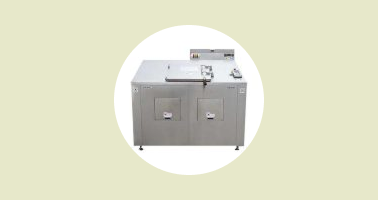
Hospitals are among the UK's largest producers of food waste, and now face strict statutory deadlines for how it's separated, stored and disposed of, alongside infection control requirements, budget constraints, and the need for uninterrupted kitchen operation around the clock.
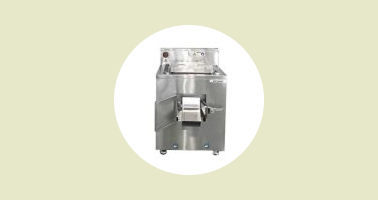
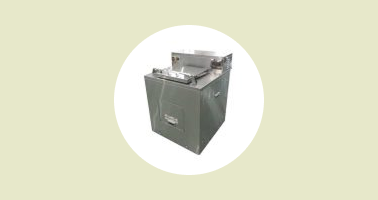
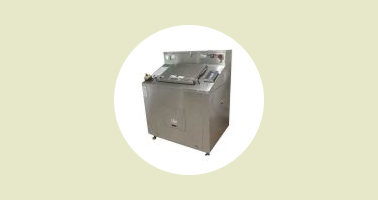
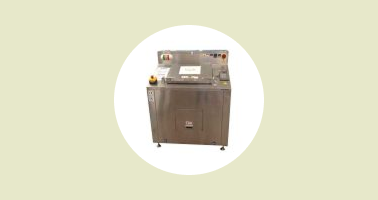
The Eco-Smart Food Waste Dryer addresses all of this at the point food waste is produced. It separates and dries waste on site, meets current UK regulations without new drainage infrastructure, and removes the odour and vermin risks that come with storing wet waste. It's already in use across more than 20 NHS trusts, helping hospitals lower disposal costs, meet sustainability targets, and maintain the safe, reliable environments patient care depends on.

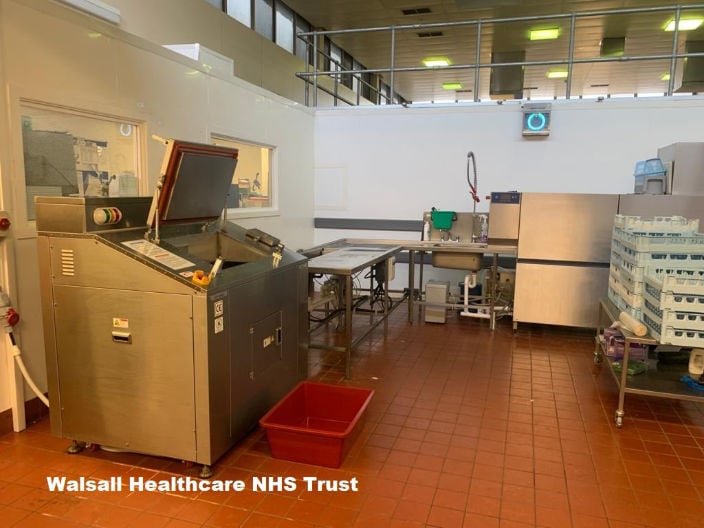
Hospitals are among the largest producers of food waste. In the UK it is illegal to use macerators or waste-to-water machines to pump food waste into the drain system. The food waste dryer is therefore an ideal solution.

Drying food waste overnight is the hygienic answer to food waste disposal, particularly important in a hospital environment. It avoids drain blockages and eliminates risks from vermin from wet food waste rotting in bins and compactors.
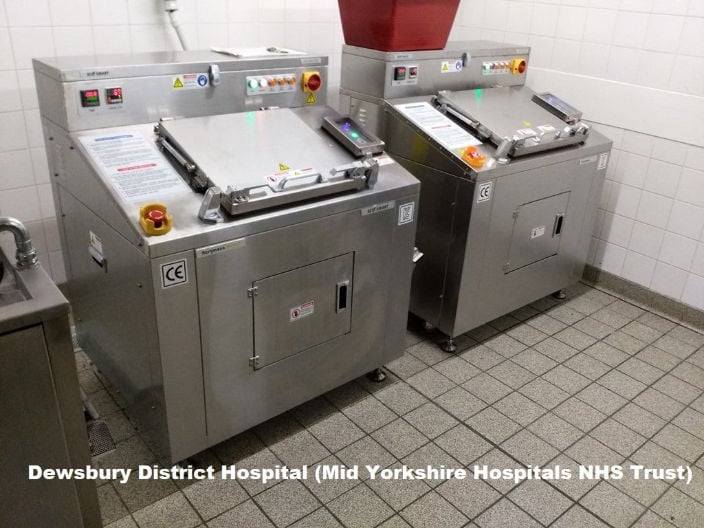
The dryer is already in use in NHS hospitals. It reduces the wet food waste into a dry, sterile powder, 15 -20% of its original weight and volume. The number of bins is reduced by 80%, lowering disposal costs and minimizing manual handling risks moving heavy wheelie bins.
Knowing the weight of food waste produced daily is key to deciding which model of food waste dryer is right for your operation. For example, the ES150 has a maximum capacity of 100kg per day. If your weight is close to this or peaks above this the you should consider a larger unit or splitting the volume across two smaller units.
Another consideration is the kitchen operational hours. The drying cycle is typically 13-16 hours depending on how full it was at the start of the cycle. Most hospitals want to load new food waste as it is produced so having two smaller units will allow one unit to be drying, while the other is loaded. For example, a kitchen that produces 150kg per day could choose one ES300 unit (maximum load 200kg). If the machine is loaded and switched on at 7pm, it would be ready to empty (lasting approximately 15 minutes) at approximately 10am.
Alternatively, they could choose two ES150 models (100kg maximum each) and use one unit for breakfast and lunch waste, starting the cycle at 2pm. This cycle would finish around 5am, ready to be emptied and be available for loading as soon as the kitchen opens. The other unit could take the afternoon and dinner waste, being switched on at say 9pm. This cycle would finish around 12 noon, ready to receive the afternoon waste.
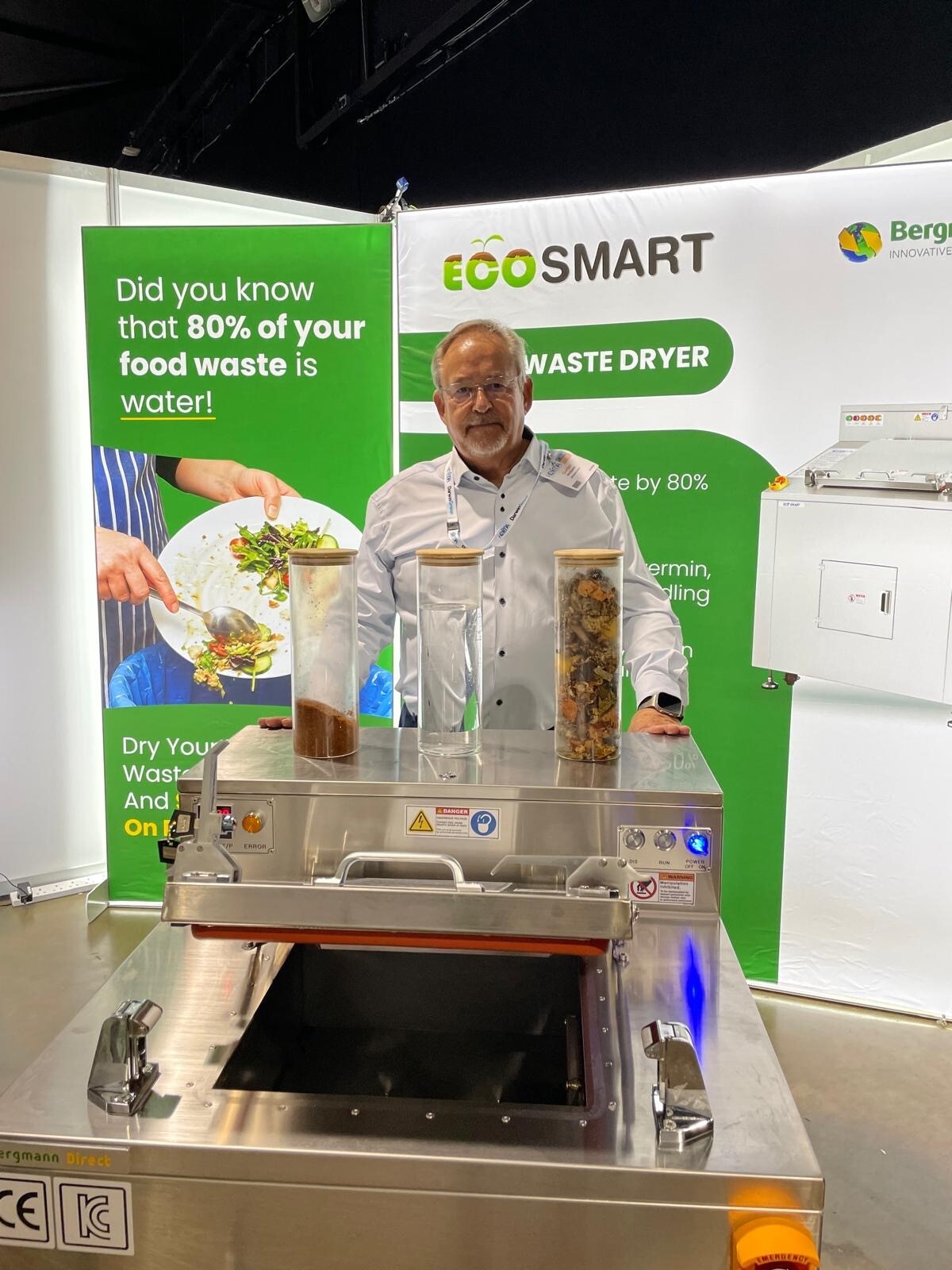
The Eco-Smart Food Waste Dryer is made from high specification stainless steel. All units are have locking castors so can be pushed into position. All you need is a power supply nearby and a standard sink drain (see Installation and Commissioning). It is easy to use, with simple on/off and discharge buttons and high specification RFID interlock sensors. Just load the food waste, close the lid and press the start button - the process is automatic.