Sectors

Food Waste Disposal for Prisons

Prisons face a distinct food waste challenge: every vehicle movement in or out of the site is a security risk, and current UK regulations rule out draining food waste through macerators or waste-to-water systems.

The Eco-Smart Food Waste Dryer addresses both at once. It dries food waste on site into a sterile powder, cutting the number of waste collection vehicle movements and wheelie bins by 80% or more, while meeting the separation requirements now in force across the UK. It's already supplied to prisons directly and through facilities management contracts including Serco, helping lower collection costs, reduce odour and vermin risk, and keep waste movement around the site to a minimum.


Prison Outside
Prison courtyard

Great for limited ground space

Many open prisons have their own gardens and can use the dry matter on their grounds mixed in with soil/compost as a additive. But for prisons in cities with limited grounds, drying food waste is a perfect option.
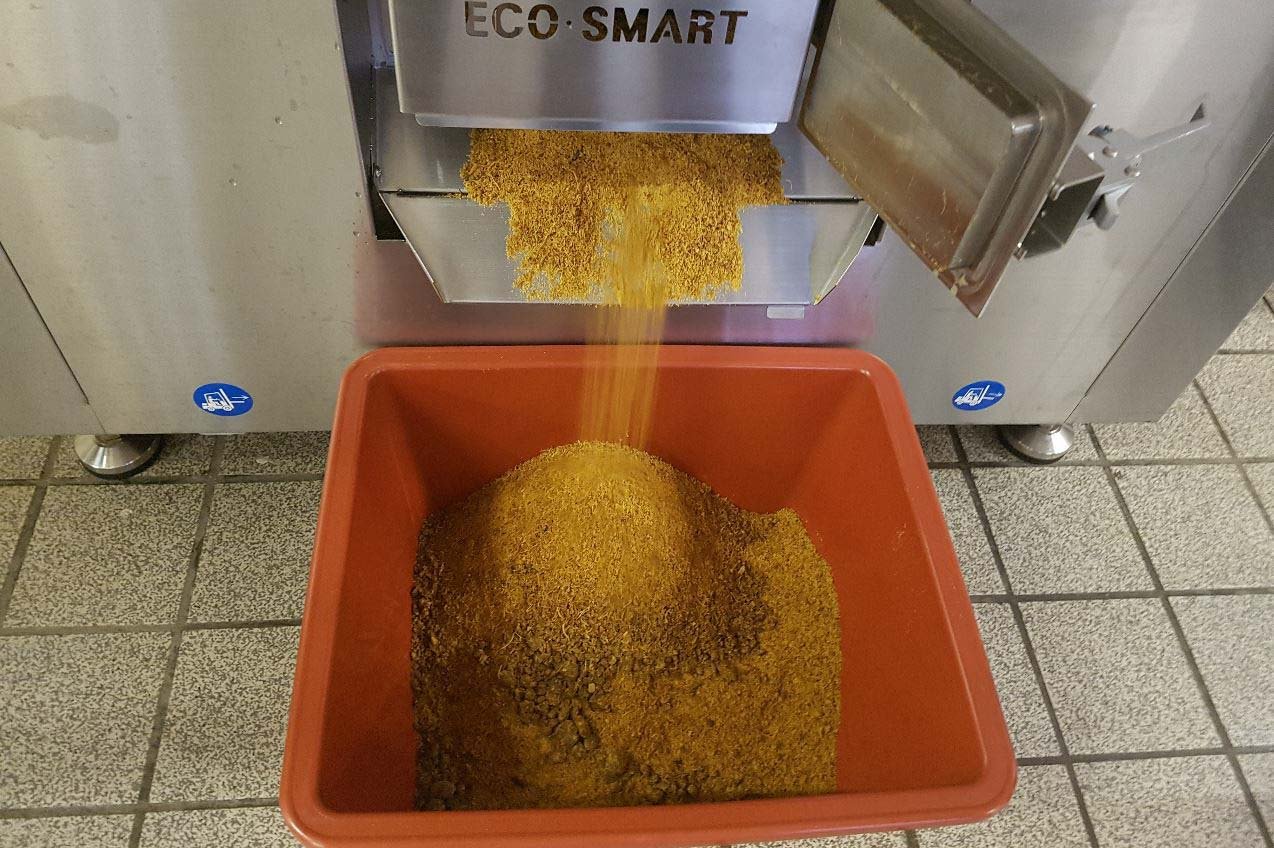
Eco-Smart Discharge 150

Improve environmental footprint

Alternative technologies such as waste-to-water systems and macerators are either banned. This is because they discharge food waste, in either solid or liquid form into drains. The Eco-Smart Food Waste Dryer has an important role to play in improving the environmental footprint of the prison estate.
Healthy Food Waste Foreground

Used by many prisons in the UK

The Eco-Smart Food Waste Dryer is already in use in many UK prisons. They have been supplied both directly or through facilities management contracts (e.g. Serco).

Prisons are treated as ordinary workplaces under UK waste law, so the same separation duties that apply to any large employer apply here too, whether waste is managed directly or through a facilities contractor.

Regulation Region Date What it means for prisons
Duty of Care (Environmental Protection Act 1990, s.34) UK-wide Ongoing All reasonable steps must be taken to store, transport and dispose of waste correctly
Environment Act 2021 – Simpler Recycling England In force since 31 March 2025 Food waste must be separated from dry recyclables and residual waste at source
Waste Separation Requirements (Wales) Regulations 2023 Wales In force for workplaces since 6 April 2024 Food waste must be collected separately alongside other recyclable streams
Digital Waste Tracking Regulations 2026 (Phase 1) England, Wales, Northern Ireland Mandatory from 1 October 2026 Waste movements and weights must be recorded digitally (Scotland from January 2027)


On-site drying supports all of this without adding vehicle movements: food waste is separated and dried at the point it's produced, and every cycle produces a weighed, loggable output, whether the site is managed directly or through a contractor such as Serco.

How Much Food Waste Does the Prison Produce?

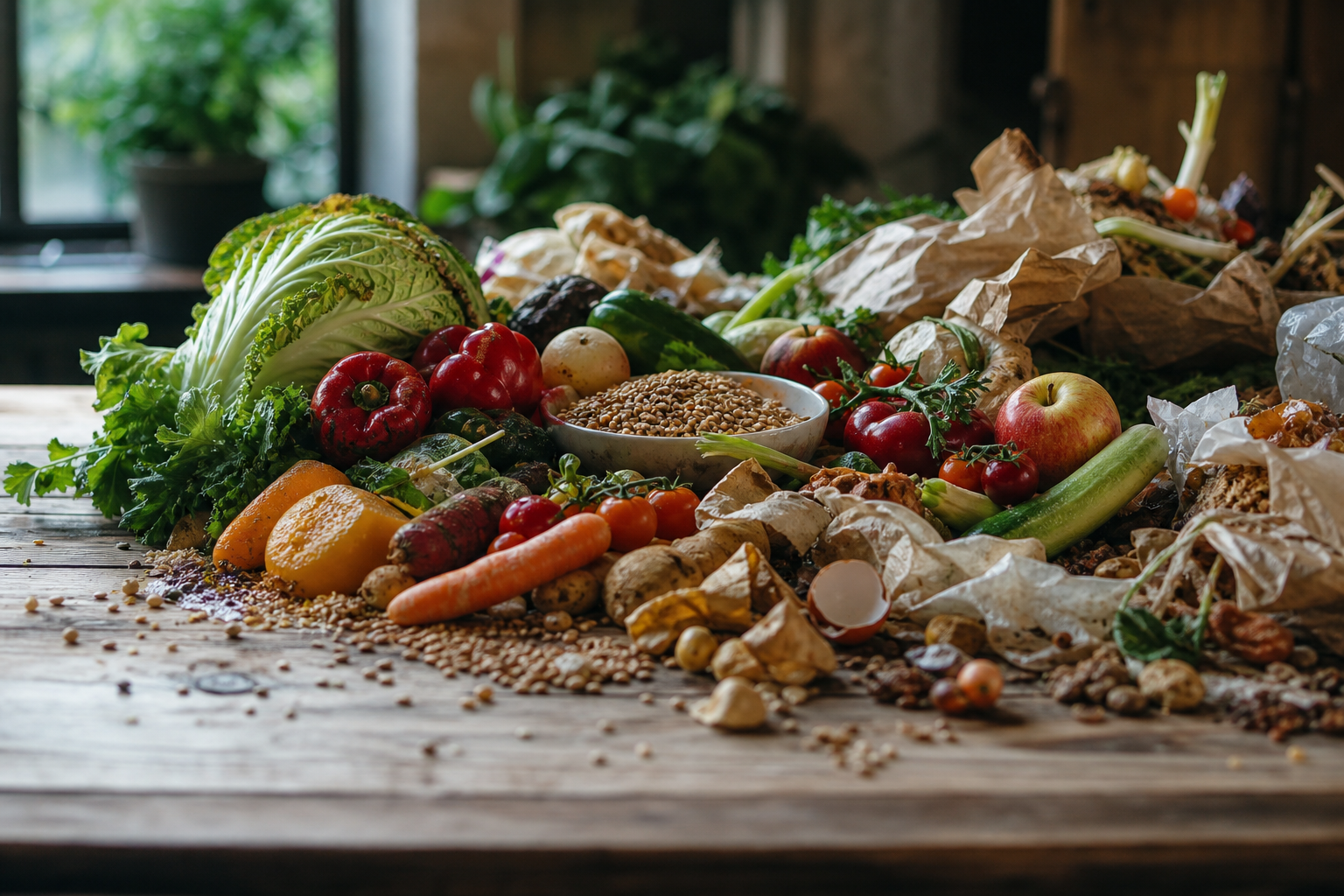
All prisons currently using wheelie bins, macerators or waste-to-water systems, should weigh food waste daily for one week before disposal. This will give an accurate measurement of total weight and the peaks. Typically, this reveals much higher weights than expected.

Which Food Waste Dryer Is Right For My Prison?

Knowing the weight of food waste produced daily is key to deciding which model of food waste dryer is right for your operation. For example, the ES150 has a maximum capacity of 100kg per day. If your weight is close to this or peaks above this the you should consider a larger unit or splitting the volume across two smaller units.

Another consideration is the kitchen operational hours. The drying cycle is typically 13-16 hours depending on how full it was at the start of the cycle. Most kitchens want to load new food waste as it is produced so having two smaller units will allow one unit to be drying, while the other is loaded. For example, a kitchen that produces 150kg per day could choose one ES300 unit (maximum load 200kg). If the machine is loaded and switched on at 7pm, it would be ready to empty (lasting approximately 15 minutes) at approximately 10am.

Alternatively, you could use two ES150 models (100kg maximum each); one for breakfast and lunch waste, starting the cycle around 2pm; this cycle would finish around 5am, ready to be emptied and be available for loading as soon as the kitchen opens. The other unit could take all the afternoon and dinner waste, being switched on at say 9pm, with the cycle finishing at 12 noon, ready to receive the afternoon waste.
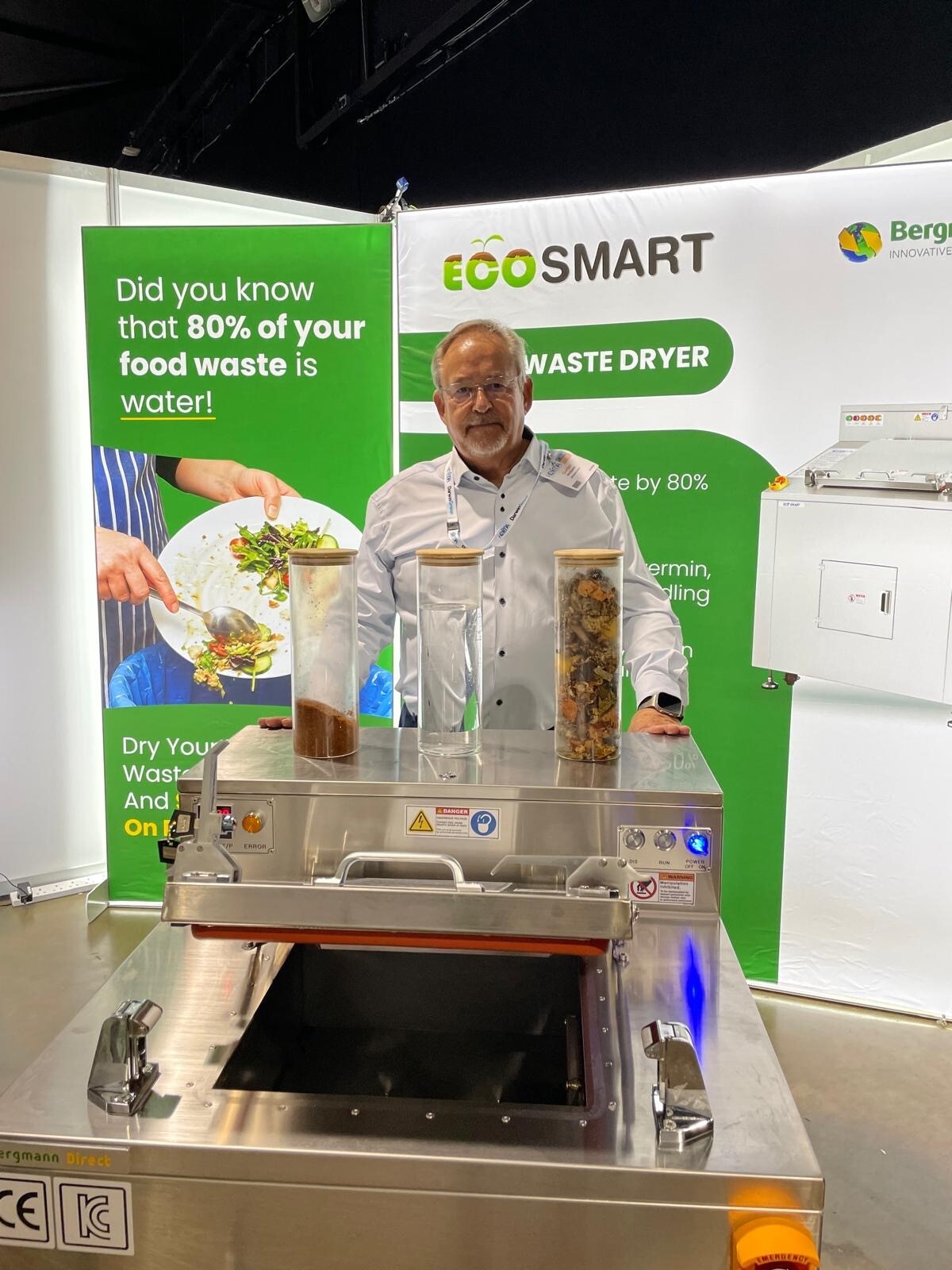
Hefma 2026 - Gordon 3
left-quote Created with Sketch.

Before installing the Eco-Smart, the prison experienced ongoing vermin issues caused by food waste being stored outside for collection, creating hygiene and safety concerns. Since the Eco-Smart was introduced, food waste is processed securely on site, removing the need for external storage. This has eliminated vermin problems and significantly improved cleanliness across the facility. The has helped create a safer, more controlled environment for both staff and residents.

Ricky Robinson

Industries Manager, HMP Stocken

Food Waste Dryer Models

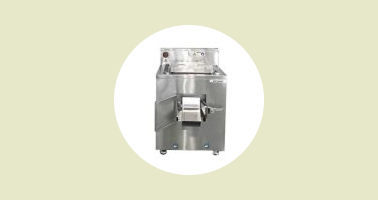
The Eco-Smart Food Waste Dryer is made from high specification stainless steel. All units are have locking castors so can be pushed into position. All you need is a power supply nearby and a standard sink drain (see Installation and Commissioning). It is easy to use, with simple on/off and discharge buttons and high specification RFID interlock sensors. Just load the food waste, close the lid and press the start button - the process is automatic.

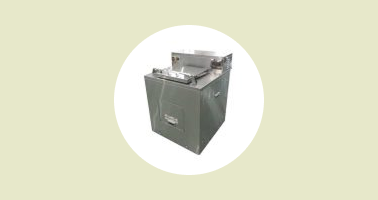
ES30

Up to 20kg per day

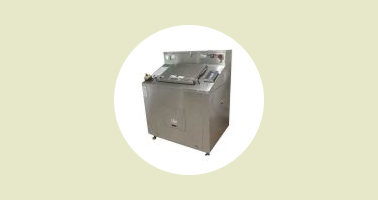
ES60

Up to 40kg per day

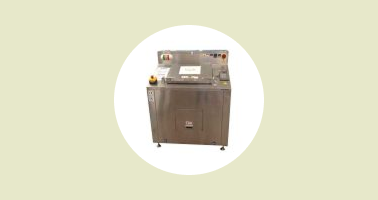
ES80

Up to 50kg per day

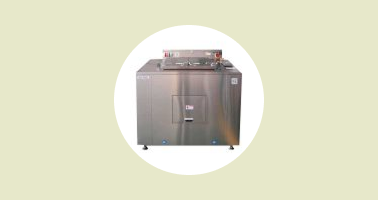
ES150

Up to 100kg per day

ES300

Up to 200kg per day

ES500

Up to 350kg per day

Frequently Asked Questions

Does a food waste dryer reduce security risks in a prison?

Yes. Cutting the number of food waste bins by 80% or more means fewer waste collection vehicle movements in and out of the secure perimeter, each one a potential security risk.

Is on-site food waste drying compliant with UK prison waste regulations?

Yes. Prisons fall under the Environment Act 2021 separation duty (England, since 31 March 2025) and the Waste Separation Requirements (Wales) Regulations 2023 (in force for workplaces since 6 April 2024). Drying supports both without draining waste into the sewer system.

Can the dryer be used alongside facilities management contracts like Serco?

Yes. The Eco-Smart Food Waste Dryer is already supplied to prisons both directly and through facilities management contracts, including Serco.

How does it reduce vermin and hygiene risk?

Drying removes the moisture that attracts vermin and causes odour, addressing a common issue where food waste is stored on site awaiting collection.

What size dryer suits a typical prison kitchen?

It depends on daily food waste weight, which we recommend measuring for a week before choosing a model. The range covers 20kg per day (ES30) up to 350kg per day (ES500), and two smaller units can be run in rotation for continuous capacity.

For More Information

We have extensive experience dealing with food waste in prisons and can come to your prison to discuss your problems and objectives, and how our Eco-Smart Food Waste Dryer can meet and solve them.

Drying food waste is the future of food waste disposal and it’s here now.